Better Shape was born from frustration. The fitness internet is saturated with supplement-pushing influencers, 12-week shred programs, and advice that sounds impressive but falls apart under scrutiny. We wanted something different — a resource that treats readers like intelligent adults who deserve evidence-based guidance, not marketing copy.
Our approach is simple: explain what the research actually says, translate it into practical steps, and never ask you to buy a supplement we wouldn't take ourselves. Which is most of them.
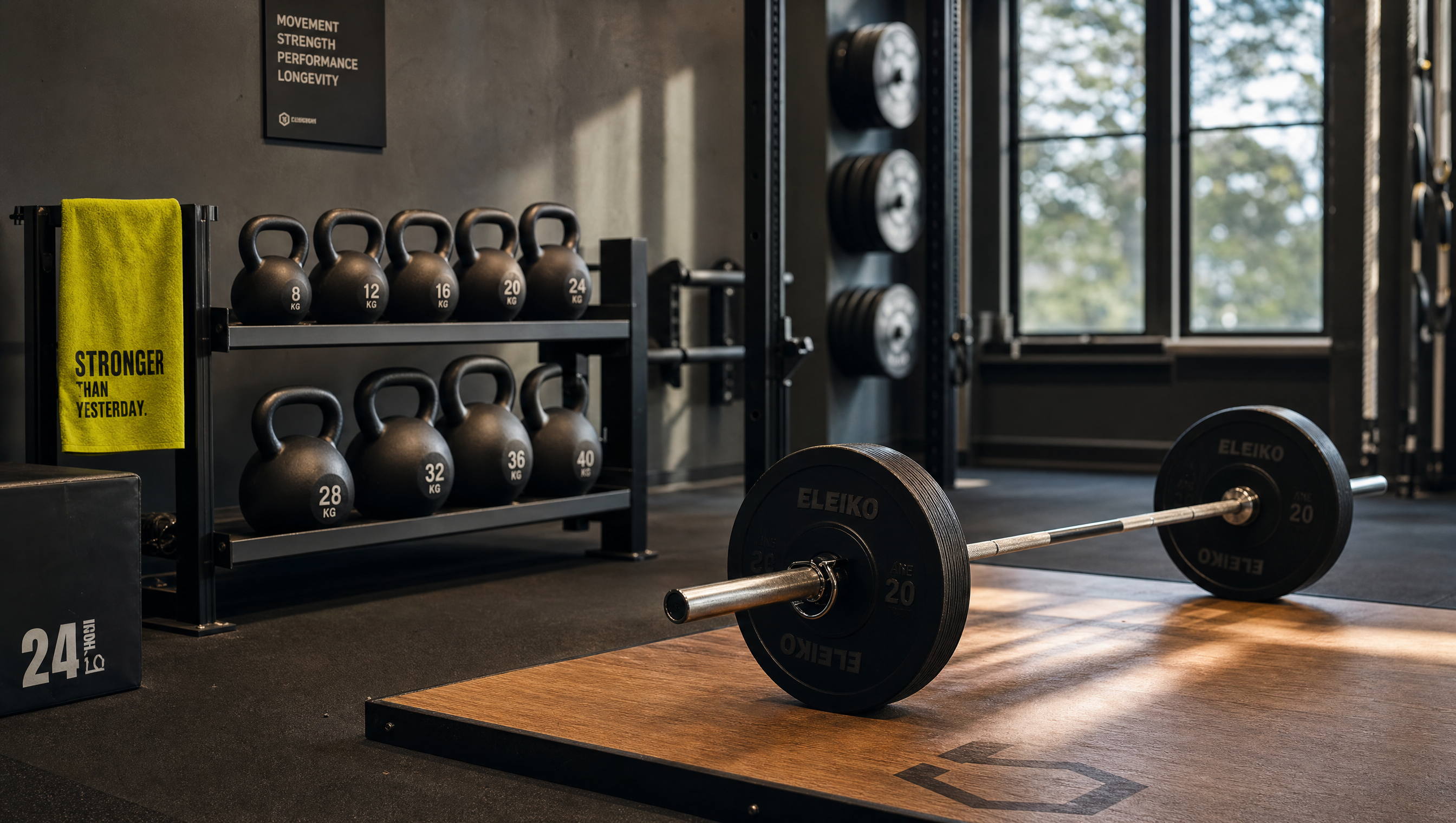
These aren't slogans. They're the filters every article passes through before it gets published.
We cite research, not testimonials. When the evidence is weak, we say so. When the evidence is strong but boring, we publish it anyway.
The best workout program is the one you'll still be doing in five years. We optimize for consistency, not suffering.
We don't sell supplements, programs, or coaching. No affiliate links to products we haven't used. Our only revenue is the content itself.
Exercise science has enough jargon. We translate it into language a beginner can understand without dumbing it down.
Better Shape began as a series of notes. After years of coaching friends, family, and colleagues through the same fitness confusions — "Should I be doing more cardio?" "Is creatine safe?" "Why does my back hurt when I deadlift?" — it became clear that the gap between exercise science and what the average person knows is enormous.
The fitness industry fills that gap with products. We wanted to fill it with information.
Every article on this site started as a real question from a real person. We research it, consult the literature, test the practical advice ourselves, and then write it up in a way that's actually useful. No listicles titled "10 foods that burn belly fat." No "the one exercise you're not doing." Just answers to questions people genuinely have.
If you have a question we haven't answered, tell us. That's how this grows.
When we make a claim about physiology, programming, or nutrition, we ground it in peer-reviewed research or established clinical guidelines. We link to primary sources where possible, not to other fitness blogs that link to other fitness blogs.
Exercise science evolves. Recommendations that were standard ten years ago have been revised. When the evidence shifts, we update our articles — and we note what changed. You'll see "last updated" dates on every guide.
A perfectly referenced article is useless if you can't apply it. Every guide ends with concrete, actionable steps. If we can't tell you exactly what to do with the information, we're not done writing.
We don't write headlines about "the dangerous exercise you're doing wrong" or "foods that destroy your gains." Fitness doesn't need anxiety to be interesting. Calm, accurate information works better.